

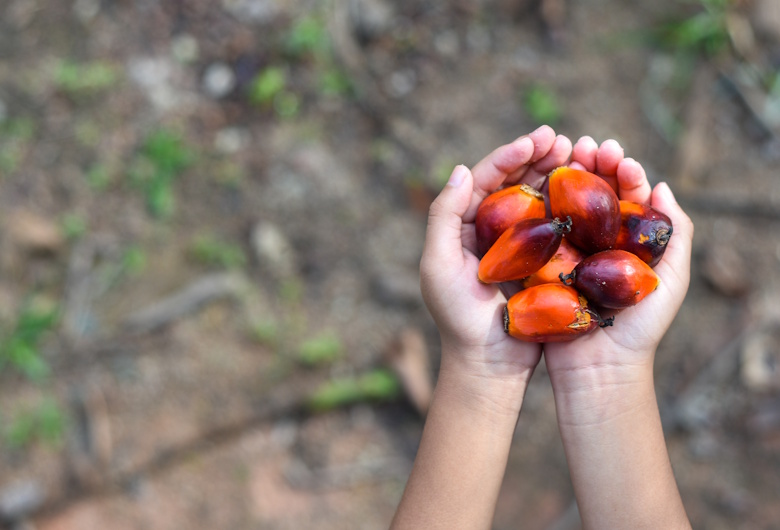
The Role of Human Resources (HR) in Environmentally Responsible Oil Palm Plantation Management is a key factor in creating a palm oil industry that is not only productive but also sustainable. The palm oil industry is one of the strategic sectors that contributes significantly to the national economy. However, its management must take environmental aspects into account in order to compete globally while maintaining ecosystem balance. Qualified, well-trained human resources with environmental awareness are an important asset in achieving this goal.
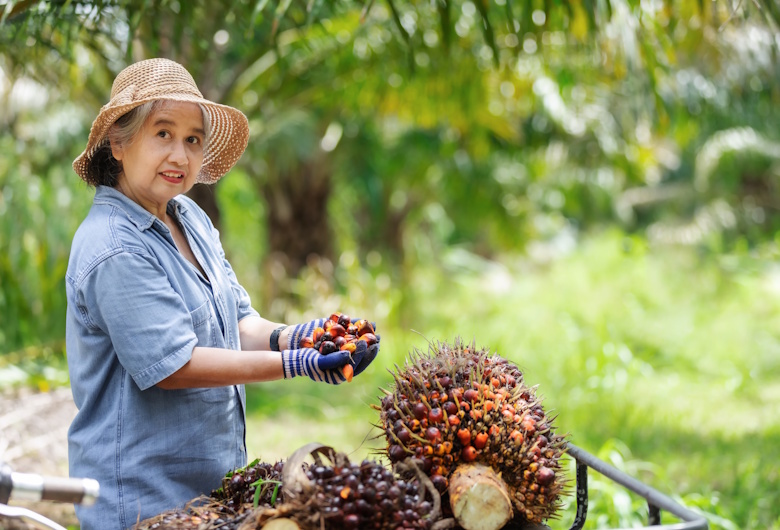
There are three main aspects that must be considered to ensure that oil palm plantation management is truly environmentally responsible.
First, the improvement of training and education materials or curricula. Every learning program provided to employees and prospective plantation workers needs to integrate environmental conservation content. This means not only focusing on oil palm cultivation and processing techniques, but also teaching environmentally friendly best practices, such as waste management, soil and water conservation, and the utilization of renewable energy. In this way, workers can understand that industrial success is measured not only by productivity, but also by ecosystem sustainability.
Second, equal human resource development across all organizational levels. Understanding environmentally responsible oil palm plantation practices must be shared by all parties, from the board of directors and middle management to field workers. This collective awareness will create a consistent work culture in protecting the environment. For example, directors can establish environmentally friendly strategic policies, field managers can ensure that operational standards are properly implemented, and field workers can apply cultivation techniques that align with sustainability principles.
Third, employee development at all levels by considering three key aspects: spiritual, intellectual, and emotional. The spiritual aspect builds moral and ethical awareness that protecting the environment is a shared responsibility. The intellectual aspect emphasizes the improvement of knowledge and skills so that workers can innovate in facing the challenges of modern plantations. Meanwhile, the emotional aspect aims to foster care, discipline, and cooperation in carrying out daily responsibilities. The combination of these three aspects will create workers who are not only technically competent, but also have strong integrity and empathy for the environment.
Through focused human resource development, oil palm plantation management can operate productively while remaining environmentally responsible. This will strengthen the positive image of Indonesia’s palm oil industry in the eyes of the world, while also providing long-term benefits for economic, social, and ecological sustainability.