


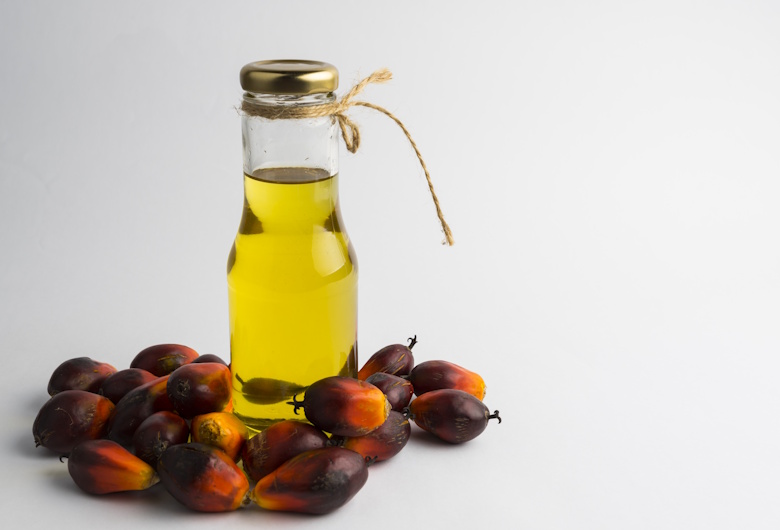
The palm oil industry is one of the most strategic plantation sectors in the world, especially in Indonesia. From oil palm fruit, Crude Palm Oil (CPO) is produced and plays a major role in everyday life, from cooking oil, margarine, and cosmetics to biodiesel. This article provides an in-depth discussion of what CPO is, its production process, benefits, and the challenges faced by the palm oil industry in the future.
What Is Crude Palm Oil (CPO)?
Before discussing it further, it is important to understand the basic definition of CPO. Many people know it only as cooking oil, whereas CPO is actually a crude product that still needs to undergo further processing. Let us discuss its meaning in more detail.
A Brief History of CPO Development in the World
The CPO industry did not emerge overnight. It has gone through a long journey from the African continent to Southeast Asia. To understand the strategic position of oil palm today, we need to trace how its history developed globally until it eventually became a leading commodity.
1. The Beginning of Oil Palm Cultivation
Oil palm originally came from West Africa, particularly the regions of Nigeria and Congo. This plant was later introduced to Southeast Asia in the 19th century. Initially, oil palm was planted only as an ornamental plant, but over time its economic value became recognized. This marked the beginning of the development of the global palm oil industry.
2. Development in Indonesia and Malaysia
Indonesia and Malaysia began seriously developing oil palm plantations in the early 20th century. The first oil palm plantation in Indonesia was established in Deli, North Sumatra. Since then, oil palm has become an important commodity. Today, these two countries account for more than 80% of the world’s CPO production.
3. The Role of Global Industry
Demand for CPO has increased rapidly along with the growth of the food and energy industries. CPO is used for cooking oil, margarine, soap, and biodiesel. Along with globalization, CPO has become a commodity traded on various global exchanges, making it one of the world’s strategic commodities.
4. Impact of International Trade
CPO exports contribute significantly to the foreign exchange earnings of producing countries, especially Indonesia. However, CPO trade is also influenced by international regulations, environmental issues, and the policies of export destination countries. This makes the palm oil industry highly dynamic and full of challenges.
5. Historical to Modern Challenges
The history of CPO development cannot be separated from various challenges, from colonization and fluctuations in global prices to modern environmental issues. This long journey shows that CPO is a commodity that is not only of high economic value, but also strategic from political and environmental perspectives.
Crude Palm Oil (CPO) Production Process
Producing CPO requires a series of technical stages from the plantation to the processing mill. This process not only determines oil quality, but also production efficiency and environmental impact. The following are the main stages in producing CPO.
1. Harvesting Oil Palm Fruit
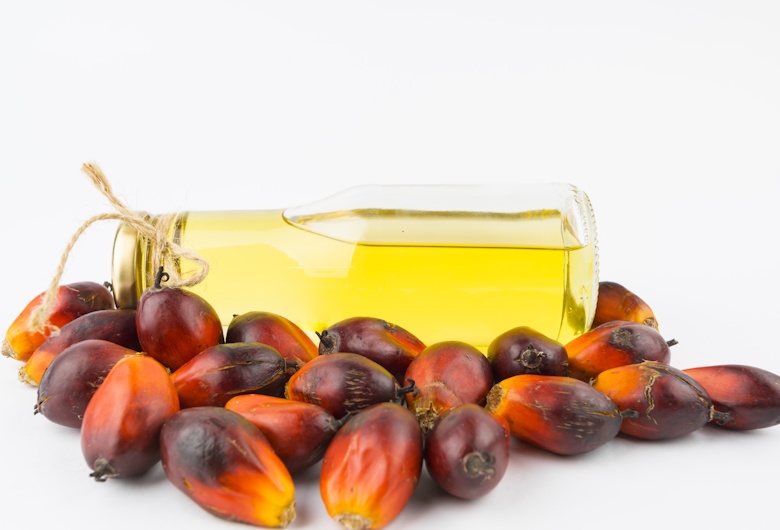
The process begins with harvesting fresh fruit bunches (FFB) from oil palm trees. Ripe oil palm fruit has a dark reddish color. Harvesting is carried out using special tools and the fruit must be processed immediately so that oil quality does not decline.
2. Boiling and Sterilization
After harvesting, oil palm fruit is boiled using high-pressure steam. This process aims to stop the activity of the lipase enzyme, which can damage oil quality, and to facilitate the separation of fruit flesh from the kernel. Sterilization also reduces the water content in the fruit.
3. Pressing Process
The separated oil palm fruit flesh is placed into a press machine to extract the oil. The extracted oil is called Crude Palm Oil (CPO), while the remaining residue is separated into fibers and shells that can be reused, for example as boiler fuel.
4. Initial Purification
The oil obtained from pressing is still mixed with water, fibers, and impurities. Purification is carried out through clarification using a centrifuge and gravity separation. The relatively clean oil is called CPO, while the impurities are processed further.
5. Storage and Distribution
After purification, CPO is stored in large tanks maintained at a certain temperature to prevent solidification. The CPO is then ready to be distributed to downstream processing plants, either for domestic use or export needs.
Nutritional Content and Composition of CPO
In addition to its economic value, CPO also contains important nutrients that are beneficial to the body. This is why CPO is used not only as a food ingredient, but also as an ingredient in cosmetics, pharmaceuticals, and renewable energy.
1. Saturated and Unsaturated Fatty Acids
CPO is rich in saturated and unsaturated fatty acids, particularly palmitic and oleic acids. This content makes it highly stable under heat, making it ideal for food processing such as cooking oil. In addition, its fatty acid composition also determines the quality of CPO derivative products.
2. Carotenoids
Carotenoids are natural pigments that give CPO its reddish-orange color. These compounds are precursors of vitamin A, which is beneficial for eye health and the immune system. Carotenoids also have antioxidant properties that can help neutralize free radicals.
3. Vitamin E (Tocopherols and Tocotrienols)
CPO is rich in vitamin E in the form of tocopherols and tocotrienols. Vitamin E functions as a natural antioxidant that can help prevent cell damage caused by oxidation. This content also makes CPO widely used in the cosmetics and health industries.
4. Sterols and Phospholipids
Sterols and phospholipids in CPO play an important role in maintaining cell membrane stability. In addition, these compounds also contribute to lowering bad cholesterol (LDL) levels when consumed in a balanced manner.
5. Energy Content
With its high fat content, CPO is an efficient source of energy. In the food industry, this is used to produce various products with relatively high caloric value, making it a key raw material in many developing countries.
Uses of Crude Palm Oil (CPO)
CPO is a versatile raw material used in almost every aspect of life. From daily food products to beauty products and energy, the role of CPO is highly vital. The following are some of its main uses.
1. Food Industry
CPO is widely used in the production of cooking oil, margarine, shortening, and raw materials for cakes and biscuits. Its heat stability makes CPO a primary choice in the food industry, especially for products that require long-lasting oil.
2. Non-Food Industry
Outside the food sector, CPO is used in the production of soap, detergent, candles, and lubricants. The oleochemical industry also utilizes CPO to produce base materials for environmentally friendly plastics. This demonstrates the flexibility of CPO across various sectors.
3. Renewable Energy (Biodiesel)
One of the important roles of CPO is as a raw material for biodiesel. In Indonesia, the B30 program, a blend of 30% CPO-based biodiesel, has been implemented to reduce dependence on fossil energy and support renewable energy development.
4. Cosmetics and Pharmaceuticals
The vitamin E and carotenoid content in CPO makes it a valuable ingredient in the cosmetics and pharmaceutical industries. Many skincare products, lotions, and health supplements use CPO derivatives as key ingredients.
5. Exports and Global Trade
CPO is one of Indonesia’s leading export commodities, with major markets in India, China, Pakistan, and the European Union. The strategic role of CPO in global trade enables it to make a significant contribution to the national economy.
Economic Benefits of CPO for Indonesia
CPO is not only important for industry, but also for the national economy. The palm oil industry contributes significantly to foreign exchange earnings, employment, and regional development in Indonesia.
1. Contribution to National Foreign Exchange
CPO is one of Indonesia’s largest sources of foreign exchange from the non-oil and gas sector. The export value of CPO reaches billions of dollars each year, helping strengthen the country’s foreign exchange reserves.
2. Job Creation
The palm oil industry creates millions of jobs, both in plantations, processing mills, and supporting sectors. This has a direct impact on improving the welfare of communities around oil palm plantations.
3. Development of Remote Areas
Oil palm plantations are often developed in remote areas, encouraging infrastructure development such as roads, electricity, and educational facilities. In this way, the industry helps promote more equitable development across Indonesia.
4. Source of Raw Materials for National Industry
CPO is an important raw material for domestic industries, including food, energy, and cosmetics. The dependence of national industries on CPO makes this commodity vital in supporting Indonesia’s economic growth.
5. Global Competitiveness
With its large production capacity, Indonesia is a major player in the global CPO market. This provides a strong bargaining position in international trade while enhancing the competitiveness of Indonesian products in the global market.
Environmental Issues in CPO Production
Although it contributes greatly to the economy, CPO production also presents several environmental challenges. Issues such as deforestation, waste, and social conflict have drawn global attention and affected the image of the palm oil industry.
1. Deforestation
One of the main issues in CPO production is deforestation, or the conversion of forests into oil palm plantations. This leads to the loss of biodiversity and wildlife habitats.
2. Greenhouse Gas Emissions
Land clearing by burning produces significant greenhouse gas emissions. This practice has drawn global attention because it contributes to climate change.
3. Waste Management
The CPO production process generates palm oil mill effluent (POME), which can pollute the environment if not managed properly. However, this waste can also be utilized as biogas for renewable energy.
4. Social and Human Rights Issues
Land conflicts between companies and local communities often occur in the development of oil palm plantations. This creates social issues that must be addressed wisely through fair regulations.
5. Sustainability Efforts
To address environmental issues, various certifications such as RSPO (Roundtable on Sustainable Palm Oil) have been developed. These certifications encourage more environmentally friendly and sustainable CPO production.
Challenges and Opportunities for the CPO Industry in the Future
The CPO industry faces rapidly changing global dynamics. Although full of challenges, development opportunities remain very large, especially in the renewable energy sector and technological innovation.
1. Global Price Fluctuations
CPO prices are strongly influenced by global demand, export-import policies, and the prices of other vegetable oils such as soybean oil. Price fluctuations are a major challenge for the stability of the palm oil industry.
2. Competition with Other Vegetable Oils
CPO competes with soybean oil, canola oil, and sunflower oil. However, CPO has the advantage of higher land productivity compared with other vegetable oils.
3. Sustainability Demands
Global consumers are increasingly concerned about environmental issues, leading to growing demand for sustainable CPO. Palm oil companies are required to implement environmentally friendly practices in order to remain competitive.
4. Role in Renewable Energy
With the development of the biodiesel industry, CPO has great potential as an environmentally friendly alternative energy source. The B30 program is even planned to be expanded into B40 or B50 in the future.
5. Innovation and Technology
The development of new technologies, such as precision agriculture and plantation digitalization, can increase productivity while reducing environmental impact. These innovations represent important opportunities for maintaining the sustainability of the palm oil industry.
Conclusion
Crude Palm Oil (CPO) is a strategic commodity with a vital role in everyday life and the global economy. From its long history and complex production process to its economic benefits, CPO has proven to make a major contribution to Indonesia. However, environmental and social challenges cannot be ignored. With the implementation of sustainable practices, technological innovation, and a commitment to renewable energy, CPO has a bright future as one of the world’s important resources.