


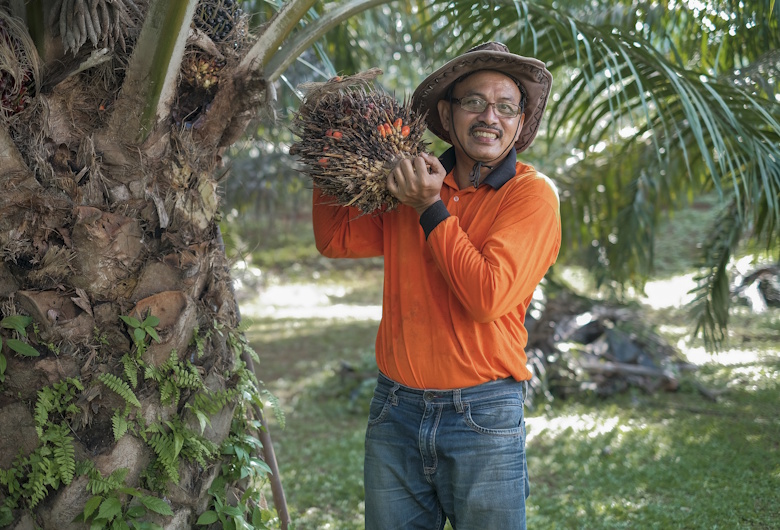
In an international forum held online through the IPB University Alumni Association Webinar on Thursday, December 16, 2021, the Rector of IPB University, Prof. Dr. Arif Satria, S.P., M.Si., affirmed that oil palm plantations in Indonesia have implemented the principles of sustainable plantations or sustainable practices. This activity was also part of the series of events for the 6th National Congress (Munas VI) of the IPB University Alumni Association, which brought together key stakeholders in the agriculture and plantation sectors.
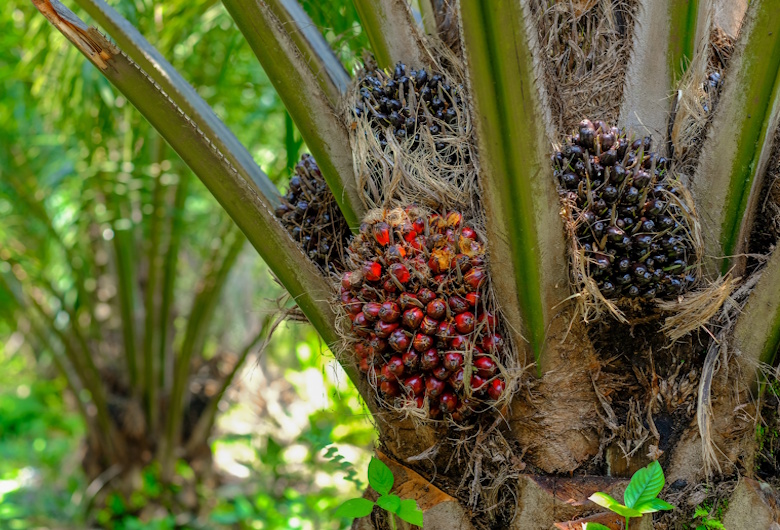
Prof. Arif delivered this statement before 11 European Union Ambassadors, with the aim of clearly demonstrating that Indonesian oil palm plantations do not align with the negative stigma often circulated abroad. According to him, evidence of sustainable practices can already be seen directly in the field, through the implementation of environmentally friendly standards, increased land productivity without opening new forest areas, and sustainability certifications such as Indonesian Sustainable Palm Oil (ISPO) and Roundtable on Sustainable Palm Oil (RSPO), which have been adopted by national palm oil industry players.
Furthermore, Prof. Arif emphasized the importance of forums like this in broadening perspectives, fostering international trust, and serving as a source of inspiration in formulating new policies and research agendas related to sustainability. He expressed hope that collaboration among academics, alumni, industry practitioners, and international diplomacy would further strengthen the positive image of Indonesian oil palm as a strategic commodity that not only supports the economy but is also managed under the principles of people, planet, and prosperity.
Through this statement, the public, both domestically and internationally, is encouraged to view Indonesian oil palm from a new perspective: as an industry that is transforming toward sustainable practices while continuing to prioritize the balance between environmental, social, and economic aspects. This also serves as an important momentum for Indonesia’s diplomacy in building the narrative that oil palm is not a threat to the global ecosystem, but rather part of the solution in creating greener global food and energy supply chains.