


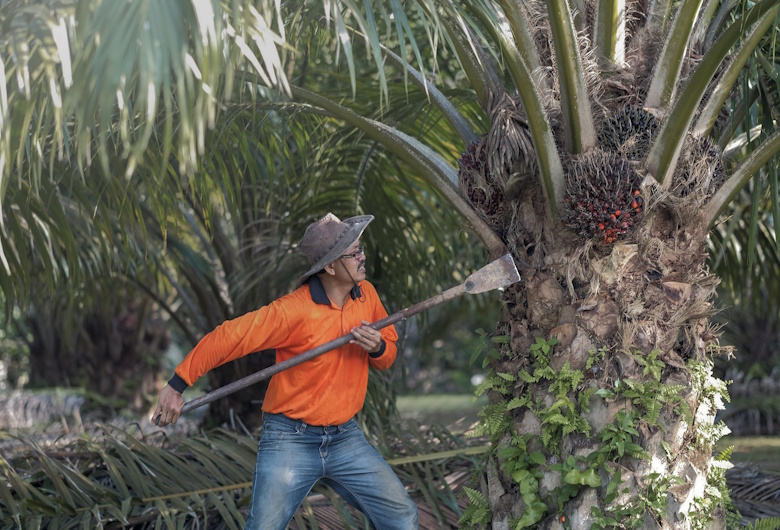
Students of the 2020 cohort of the Oil Palm Plantation Cultivation Study Program at Citra Widya Edukasi Oil Palm Polytechnic (Poltek CWE) carried out a Fertilizer Identification and Solubility Practicum on Tuesday (12/4) at the Biology Laboratory of Poltek CWE. This practicum is one of the important agenda items in the Fertilization Techniques course (Semester 4). The activity serves not only as a way to apply theoretical learning in practice, but also as a means to equip students with technical skills in the field of oil palm plantations. The students’ enthusiasm in participating in the practicum reflects their commitment to supporting the sustainability of Indonesia’s oil palm industry.
The Importance of Fertilization Technique Practicum for Students
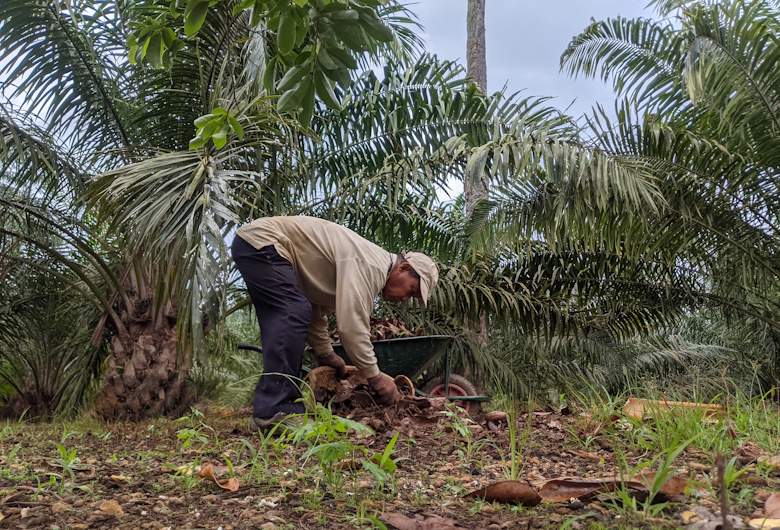
Oil palm fertilization practicum plays a major role in developing students’ competencies. Through this activity, they not only study fertilization theory, but also apply it directly in both field and laboratory settings.
1. Connecting Theory with Practice
Students often learn fertilization theory from books and lecturers. However, without practice, understanding remains limited to concepts. Practicum allows them to understand how fertilizers work, their solubility properties, and their actual effects on oil palm plants.
2. Improving Technical Skills
Practicum provides students with the opportunity to master technical skills, such as identifying fertilizers, measuring solubility, and understanding appropriate dosage. These skills are essential when they enter the plantation workforce.
3. Developing Analytical Skills
In addition to direct practice, students are also encouraged to analyze laboratory test results. From this process, they learn to think critically in assessing fertilizer effectiveness, comparing fertilizer types, and determining the best option for oil palm needs.
4. Preparation for the Industry
The oil palm industry requires work-ready human resources. Practicum activities like this serve as a bridge that familiarizes students with real conditions, so that when they graduate, they possess not only theoretical knowledge but also hands-on experience.
5. Fostering a Sense of Responsibility
Through practicum, students are trained to work carefully, systematically, and with discipline. This fosters a sense of responsibility, as every mistake can affect the practicum results. Such an attitude will be highly valuable in the workplace.
Fertilizer Identification and Solubility in the Laboratory
This practicum focused on fertilizer identification and solubility. The activity taught students how to recognize fertilizer types, understand their physical and chemical properties, and determine how fertilizers dissolve in water.
1. The Importance of Fertilizer Identification
Fertilizer identification is very important so that students can understand the differences between urea, KCl, SP-36, and compound fertilizers. Through this recognition, students are able to select fertilizers according to the needs of oil palm plants. Identification errors can negatively affect plant growth outcomes.
2. Fertilizer Solubility Testing
Fertilizer solubility determines how quickly nutrients can be absorbed by plants. This practicum taught students that fertilizers with high solubility are more quickly available to plants, but are also more vulnerable to loss through leaching. Solubility analysis helps determine the appropriate dosage.
3. Understanding the Chemical Properties of Fertilizers
In addition to physical form, students also learned to understand the chemical content of fertilizers. For example, urea contains high levels of nitrogen, while KCl contains potassium. This understanding helps students recognize the function of each nutrient element in supporting oil palm growth.
4. Simulation of Fertilizer Application
In the laboratory, students conducted simulations of how fertilizers dissolve in water. This illustrates how fertilizers will interact in field conditions. With this understanding, they can determine more efficient fertilization strategies.
5. Evaluation of Practicum Results
Every practicum activity ends with an evaluation. Students are asked to record observation results, analyze data, and prepare reports. This process trains scientific skills while building the habit of working with data.
Benefits of Practicum for Student Competency Development
The fertilizer identification and solubility practicum provides many benefits for students, not only in terms of academic understanding but also as professional preparation.
1. Strengthening Fundamental Knowledge
Students gain in-depth knowledge about fertilizers, from their content to their application. This fundamental knowledge becomes an important foundation when they enter the workforce.
2. Collaborative Learning Experience
The practicum is conducted in groups, allowing students to become accustomed to teamwork. This collaboration develops communication, teamwork, and coordination skills, which are essential in large-scale plantation industries.
3. Readiness to Face Real Problems
Through practicum, students are trained to face real problems, such as fertilizers that do not dissolve completely or dosages that are not appropriate. This trains them to make decisions quickly.
4. Soft Skill Development
In addition to technical skills, students also develop soft skills such as accuracy, time management, and responsibility. This makes them better prepared to meet workplace demands in plantations.
5. Supporting Professional Careers
Practicum adds value to students’ CVs. Real laboratory experience serves as evidence that they are prepared to face field challenges, thereby increasing their competitiveness in the job market.
Relevance of Practicum to the Oil Palm Industry
The oil palm industry requires workers who understand fertilization techniques scientifically. This practicum is highly relevant to industry needs because students are equipped with skills that match real field conditions.
1. Fertilization Efficiency
The industry requires efficient fertilization to reduce operational costs. This practicum helps students understand how to optimize fertilizer dosage for effective use.
2. Quality of Production Output
Proper fertilization directly affects the quality and quantity of fresh fruit bunch (FFB) production. The practicum helps students understand the relationship between plant nutrition and oil palm productivity.
3. Application of Industry Standards
Students are introduced to fertilization standards applied in modern plantations. This ensures that they can adapt quickly when working in oil palm companies.
4. Innovation in Fertilization Technology
The practicum also broadens students’ perspectives on innovations such as slow-release fertilizers or nano-technology-based fertilizers. This knowledge is important for facing future challenges.
5. Contribution to Sustainability
This practicum teaches students about environmentally friendly fertilizer use. As a result, they can contribute to sustainable oil palm plantation practices that align with international standards.
Students’ Enthusiasm in Participating in Practicum
The enthusiasm of students in participating in the practicum was clearly reflected in their seriousness and teamwork. This spirit shows that the younger generation is ready to play a role in supporting the sustainability of the palm oil industry.
1. Enthusiastic in Facing Challenges
Students remained enthusiastic even though the practicum required accuracy and patience. They viewed these challenges as opportunities to learn better.
2. Strong Teamwork
In groups, students demonstrated solid collaboration. Each member had a role, from recording data and conducting tests to preparing reports.
3. Creativity in Practicum
Some students attempted small innovations, such as recording detailed differences in fertilizer solubility at different temperatures. This creativity reflects a high level of curiosity.
4. Confidence
Through the practicum, students became more confident in explaining their observation results. They were able to present test results using scientific and systematic language.
5. Motivation for Further Learning
This activity motivated students to explore fertilization studies further. Many of them became interested in conducting advanced research.
Conclusion
The Oil Palm Fertilization Technique Practicum conducted by the 2020 cohort of Poltek CWE students was not merely an academic routine, but also real preparation for their future. Through this activity, students learned to connect theory with practice, master technical skills, and develop a professional attitude.
The students’ enthusiasm in participating in the practicum shows their readiness to enter the workforce and contribute to a sustainable oil palm industry. With this experience, the younger generation is ready to continue playing an important role in maintaining the productivity and sustainability of Indonesia’s oil palm plantations.