


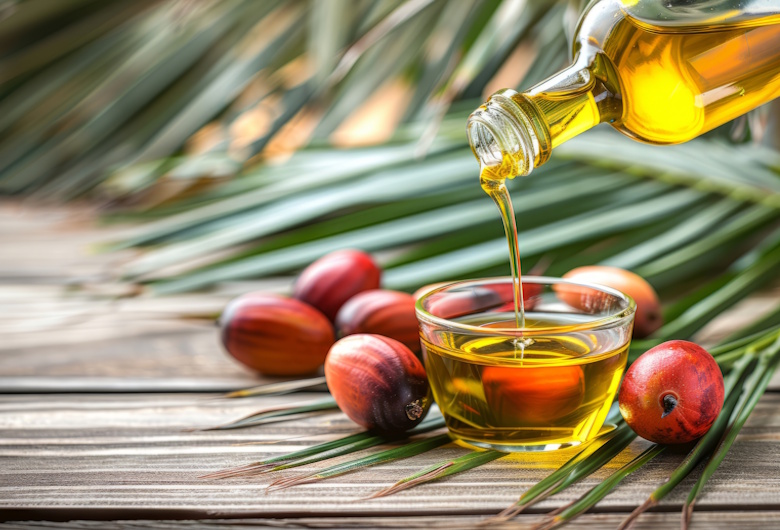
Indonesian Oil Palm Is Increasingly Becoming a Mainstay of the National Economy is not merely a slogan, but a fact that has been recognized by the international community. Today, Indonesia holds the position of the world’s largest palm oil producer, surpassing Malaysia, which previously dominated the industry. Of the approximately 64 million tons of global palm oil production, Indonesia contributes more than half, reaching around 35 million tons or 54 percent of total global production. This figure underscores the strategic role of oil palm for Indonesia from economic, social, and political perspectives.
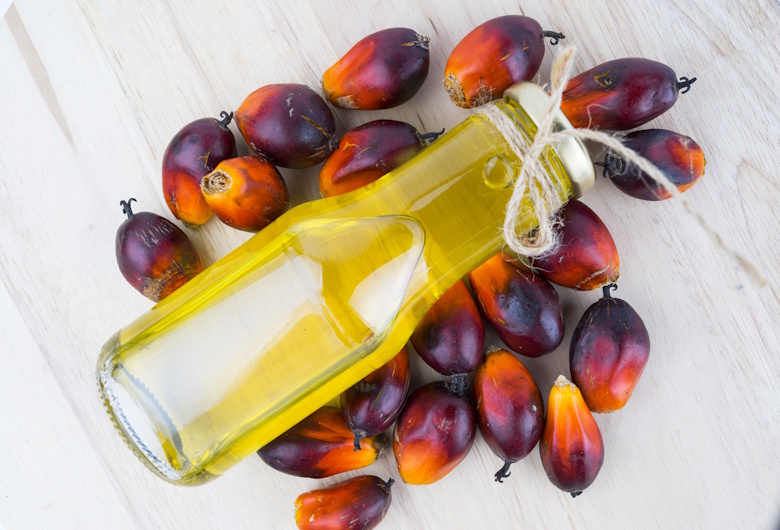
The strength of Indonesian oil palm lies not only in its production volume, but also in its comprehensive control of the supply chain, from raw materials to final products. Around 87 percent of the components in the palm oil industry are sourced domestically, making it an agricultural commodity that truly provides added value to the national economy. This condition distinguishes oil palm from other agricultural commodities that still rely heavily on imported components or supporting materials.
This encouraging information regarding the major contribution of Indonesian palm oil was presented at the PSEKP Regular Seminar, held on Thursday, September 28, 2017, at Building A of the Ministry of Agriculture. The seminar featured Dr. Delima Azahari, a senior researcher at PSEKP (Center for Socio-Economic and Agricultural Policy), who has also actively led various Indonesian delegations in global oil palm negotiation forums. In her presentation, she emphasized that Indonesia’s success in the palm oil industry is not solely the result of government efforts, but also the outcome of collaboration among farmers, companies, academics, and various other stakeholders.
In addition to being one of the country’s largest sources of foreign exchange, the oil palm industry also plays an important role in absorbing millions of workers, improving the welfare of rural communities, and encouraging infrastructure development in various regions. Furthermore, oil palm derivative products are highly diverse, ranging from cooking oil, margarine, soap, and cosmetics to biodiesel, which supports the national renewable energy program.
With its dominance in the global market and strong control of the supply chain, Indonesian oil palm continues to strengthen its position as a major pillar of the national economy. However, the challenges ahead remain significant, particularly in relation to sustainability issues and regulatory pressure from global markets. Therefore, the right strategies are needed to maintain competitiveness, strengthen research and innovation, and ensure environmentally responsible management so that Indonesia’s palm oil industry remains a source of national pride in the future.