


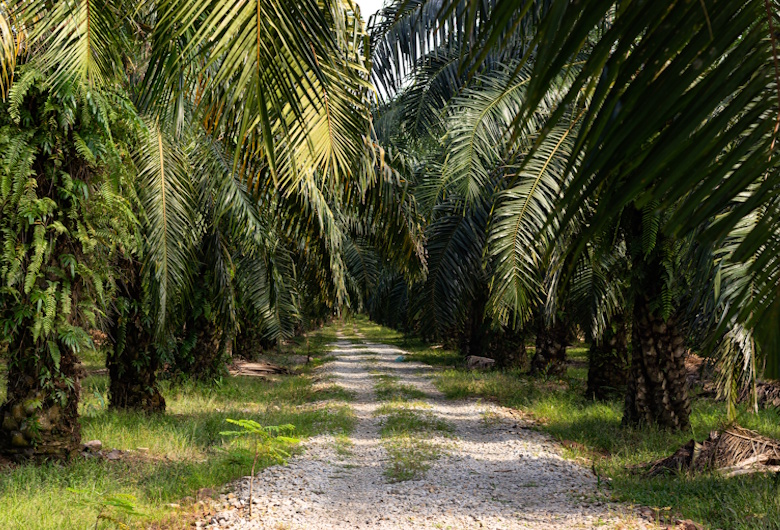
Oil palm is one of the strategic commodities that not only serves as a backbone of Indonesia’s economy, but also touches various aspects of people’s daily lives. From cooking oil in the kitchen, biodiesel for transportation, to cosmetics and pharmaceuticals, all are closely connected to oil palm. Indonesia is even the world’s largest producer and exporter of palm oil. This article explores interesting facts about oil palm in Indonesia that are often overlooked by the public.
History and Origins of Oil Palm in Indonesia
Although oil palm is now strongly associated with Indonesia, it is actually not a native plant of the archipelago. Its journey to becoming a leading commodity has a long history.
1. Originated from West Africa
Oil palm was first found in West Africa, particularly in the regions of Nigeria and Congo. The plant had been cultivated for thousands of years as a traditional source of oil. It was only in the 19th century that oil palm seeds were introduced to Southeast Asia, including Indonesia. This marked the beginning of oil palm’s journey as a plantation commodity.
2. The First Oil Palm Plantation in Indonesia
The first oil palm plantation in Indonesia was established in 1911 in Deli, North Sumatra, by a Dutch company. This plantation became an important milestone in the development of the national palm oil industry. From that small plantation, oil palm later expanded into millions of hectares spread across Indonesia.
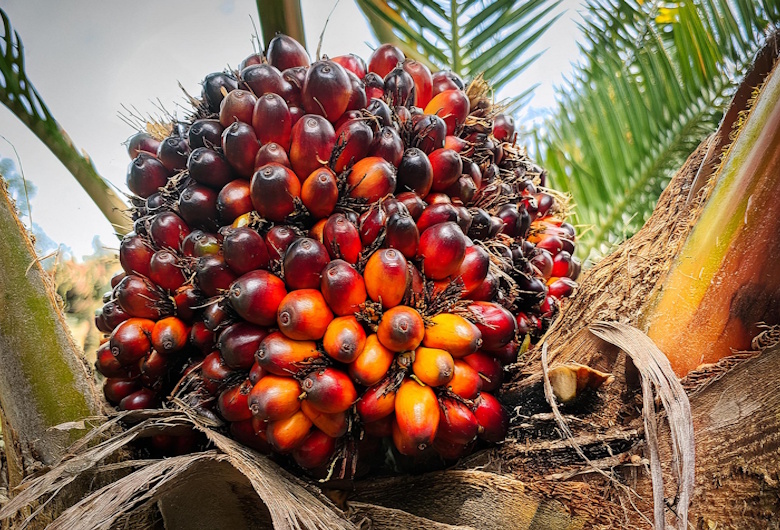
3. Rapid Growth in the 20th Century
After the colonial period, oil palm began to grow rapidly during the post-independence era. The Indonesian government encouraged the expansion of oil palm plantations through economic development programs. As a result, oil palm became one of the fastest-growing plantation commodities in the world.
4. The Dominance of Indonesia and Malaysia
Indonesia and Malaysia now account for more than 80% of global palm oil production. This makes Southeast Asia the center of the global palm oil industry. Healthy competition and cooperation between the two countries have strengthened the position of palm oil in the international market.
5. An Economic Legacy That Continues to Grow
The long history of oil palm in Indonesia shows that this commodity is not only economically important, but also politically and socially strategic. To this day, oil palm continues to serve as one of the main pillars of the national economy.
Oil Palm Plantation Area in Indonesia
Indonesia is known as the country with the largest oil palm plantation area in the world. This fact reflects the major role of oil palm in national development.
1. Covers Millions of Hectares
Currently, the total area of oil palm plantations in Indonesia is estimated to exceed 16 million hectares. These plantations are spread across various regions, from Sumatra and Kalimantan to Papua. This figure continues to grow in line with increasing global demand.
2. Production Centers in Sumatra and Kalimantan
Around 80% of oil palm plantations are located in Sumatra and Kalimantan. Regions such as Riau, North Sumatra, and Central Kalimantan are the main centers of Indonesia’s palm oil production. Meanwhile, Papua is beginning to be developed as a new oil palm-producing region.
3. The Role of Smallholder Plantations
Oil palm plantations are not only managed by large companies; smallholder plantations also make a significant contribution. More than 40% of oil palm land is managed by small farmers. This shows that oil palm benefits not only corporations, but also supports the livelihoods of millions of farming families.
4. Oil Palm Plantations and Infrastructure
Oil palm plantations often encourage infrastructure development in remote areas. Roads, bridges, and other public facilities are built to support the transportation of palm oil products. As a result, areas that were previously isolated have become more developed.
5. Expansion Potential and Environmental Issues
Although there is still potential for expansion, environmental issues have become a major concern. The government has begun limiting the expansion of new oil palm land through moratorium policies. The current focus is more on improving productivity rather than opening new land.
Economic Contribution of Palm Oil to Indonesia
Oil palm is one of Indonesia’s largest sources of foreign exchange. This industry also plays an important role in creating employment opportunities.
1. A Major Source of Foreign Exchange
Palm oil exports contribute more than USD 20 billion per year to Indonesia. This makes it one of the plantation commodities with the largest foreign exchange contribution after oil and gas.
2. Job Creation
The palm oil industry absorbs millions of workers, both in plantations, processing mills, and the logistics sector. This helps reduce unemployment and improve the welfare of rural communities.
3. Driver of Downstream Industry
Palm oil is not only exported as CPO, but also processed into derivative products such as cooking oil, margarine, soap, and biodiesel. These downstream industries create greater added value for the national economy.
4. Development of Remote Areas
Oil palm plantations are generally located in rural or remote areas. The presence of the palm oil industry encourages the development of infrastructure such as roads, schools, and health facilities. As a result, development becomes more evenly distributed.
5. Contribution to Taxes and Investment
Palm oil companies make significant contributions through taxes and investment. These funds are used by the government for national development in various sectors, including education and health.
Benefits of Oil Palm in Daily Life
Oil palm has many uses, ranging from food to energy. Its presence is very close to modern daily life.
1. Cooking Oil
The most widely known palm oil derivative product is cooking oil. Almost every household in Indonesia uses palm cooking oil. Its heat stability makes it ideal for cooking.
2. Beauty and Cosmetic Products
Many beauty products such as soap, shampoo, lotion, and lipstick use oil palm derivatives. Its vitamin E content and natural moisturizing properties make palm oil a popular ingredient in the cosmetics industry.
3. Renewable Energy
Oil palm is used as a raw material for biodiesel. Indonesia has implemented the B30 program, which blends 30% palm-based biodiesel with diesel fuel. This supports the transition toward renewable energy.
4. Pharmaceutical Products
In the pharmaceutical industry, palm oil derivatives are used as raw materials for capsules, ointments, and health supplements. The antioxidant content in palm oil is beneficial for human health.
5. Household Products
From laundry soap and detergent to candles, many household products are made from palm oil-based ingredients. The presence of palm oil makes various daily necessities more accessible and affordable.
Environmental Issues and Palm Oil Controversies
Although it provides major benefits, the palm oil industry is also often criticized for its environmental and social impacts.
1. Deforestation
The expansion of oil palm plantations is often associated with the loss of tropical forests. This contributes to declining biodiversity and threatens wildlife habitats, including those of orangutans.
2. Carbon Emissions
Opening oil palm land by burning forests causes high carbon emissions. This practice contributes to global climate change and haze problems in Southeast Asia.
3. Land Conflicts
There have been many cases of conflict between palm oil companies and Indigenous communities. These issues often arise from land ownership disputes or the absence of fair agreements.
4. Production Waste
CPO processing produces palm oil mill effluent (POME), which can pollute the environment if not properly managed. However, this waste can actually be utilized as a source of biogas energy.
5. International Pressure
The European Union and other countries often put pressure on Indonesia regarding palm oil sustainability issues. This creates new challenges for the palm oil industry in maintaining its image and global competitiveness.
Unique and Interesting Facts about Oil Palm
Beyond serious issues, there are many unique facts about oil palm that are rarely known by the public.
1. High Productivity
Compared with other vegetable oil crops such as soybean or sunflower, oil palm has much higher productivity. One hectare of oil palm can produce 4–6 tons of oil, far exceeding other crops.
2. No Part Goes to Waste
Almost every part of the oil palm can be utilized. The fruit flesh is used for oil, fibers and shells for fuel, and even empty fruit bunches can be used as organic fertilizer. This is what makes oil palm a multifunctional crop.
3. Productive Lifespan of Up to 25 Years
Oil palm trees have a productive lifespan of up to 25 years. After that, productivity declines and the plants need to be replanted. This long cycle makes oil palm more efficient than many other plantation crops.
4. Alternative Energy Source
In addition to biodiesel, palm oil waste can also be converted into alternative energy. POME, for example, can be processed into biogas, while palm kernel shells can be used as biomass fuel.
5. An Indonesian Economic Icon
Oil palm has become an icon of Indonesia’s economy in the eyes of the world. Almost every discussion on global vegetable oils mentions Indonesia’s role as the largest palm oil producer.
Future Challenges and Opportunities for Indonesian Palm Oil
The future of the palm oil industry is full of challenges, but it also offers major opportunities, especially in supporting renewable energy and sustainability.
1. Global Price Fluctuations
Palm oil prices are strongly influenced by the global market. Price fluctuations often become a challenge for small farmers who depend on oil palm harvests.
2. Sustainability Demands
Global markets increasingly demand environmentally friendly palm oil products. Certifications such as RSPO and ISPO have become requirements for palm oil products to be accepted in international markets.
3. Competition with Other Vegetable Oils
Palm oil competes with soybean, canola, and sunflower oils. However, oil palm’s high productivity remains a key competitive advantage.
4. Technological Innovation
Digital technologies such as drones, big data, and precision agriculture are beginning to be applied in oil palm plantations. These technologies improve efficiency and reduce environmental impacts.
5. Strategic Role in Energy
With the continued development of biodiesel programs such as B30, B40, and even B50, oil palm has a major opportunity to become one of the backbones of renewable energy in Indonesia.
Conclusion
Oil palm is not merely a plantation crop, but also a strategic commodity that supports Indonesia’s economy. From its long history and vast plantation areas to its everyday benefits and environmental challenges, all of these aspects demonstrate the vital role of oil palm in society. Although it is often criticized, through the implementation of sustainable practices and technological innovation, Indonesia’s palm oil industry has a bright future on the global stage.